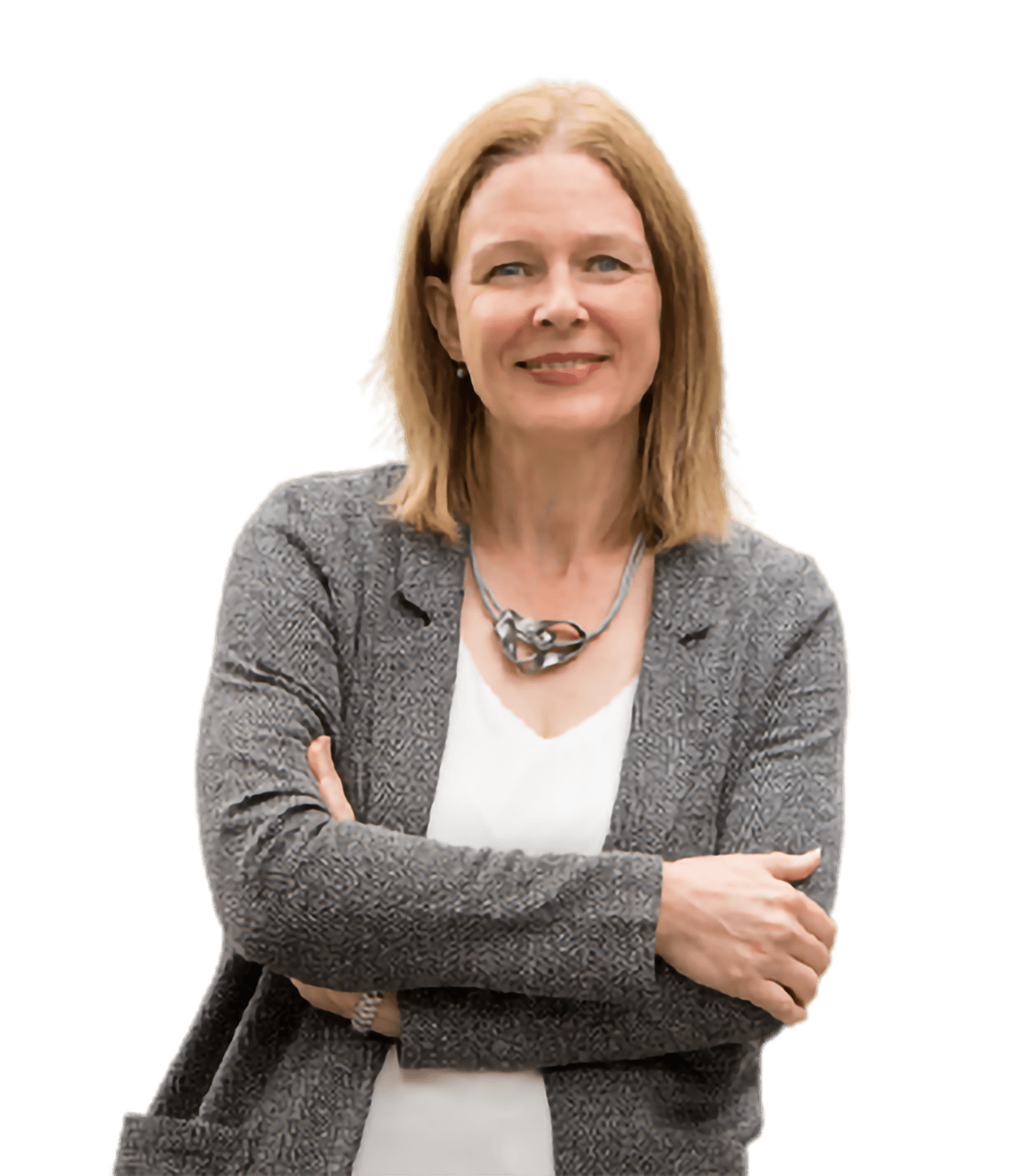

Kathleen Fair
Founder & Lead Consultant
Kathleen Fair spent thirty years leading in regional health services. Not advising from the outside, but holding operational and executive responsibility in environments where workforce decisions had immediate consequences and the resources to support them were always stretched.
That career gave her something specific. An ability to read an organisation's workforce picture quickly, to identify where the gaps between what an organisation needs and what it has in place are widening, and to work with senior leaders in ways that get past the official version of a problem toward the one that is actually costing them. She understands how decisions get made inside complex organisations, what it takes to build a case that moves a leadership team, and why data without commercial consideration rarely changes anything.
She also spent those years watching something that didn't have a clear name at the time. Capable, experienced women, the people who understood how the organisation actually functioned, who held the relationships and the institutional knowledge, were stepping back. Becoming less visible. Leaving, or disengaging in ways that don't show up until the damage is done. The organisations around them rarely saw it coming and when it did come, were left with capability gaps that were expensive to fill in a hurry.
When she left executive leadership, her intention was to work directly with those women. What she found, over time, was that the leverage sat elsewhere. The women weren't the problem. The organisations were operating without the knowledge and structure to manage it. Midlife changes what people want from work in ways that are neither a crisis nor a complaint. They are a shift in energy, focus, and aspiration that most workplaces are simply not configured to recognise or respond to, despite their best intentions. Their focus is often, understandably, on the business itself.
Meridian Shift exists because that gap has a commercial cost, and because the data to recognise it, make sense of it, and act on it is available to any organisation willing to look. Kathleen brings to that work the grounding of someone who has sat at the leadership table, understood the pressures on it, and knows what it takes to turn a diagnostic conversation into a decision. This capability, understanding who's at risk and why before it costs you, is what Kathleen calls Retention Intelligence.
She holds an MBA(HSM), BScN, and RN, and is a qualified executive coach. She works nationally from regional Victoria.